Home / Services / Cards / Printing and customisation

PRINTING AND CUSTOMISATION

At the Partitalia facility, we carry out cards printing using industrial technologies that allow us to tailor production according to requirements, offering completely bespoke solutions for our clients.

Discover all the printing techniques available for your cards!

OFFSET PRINTING

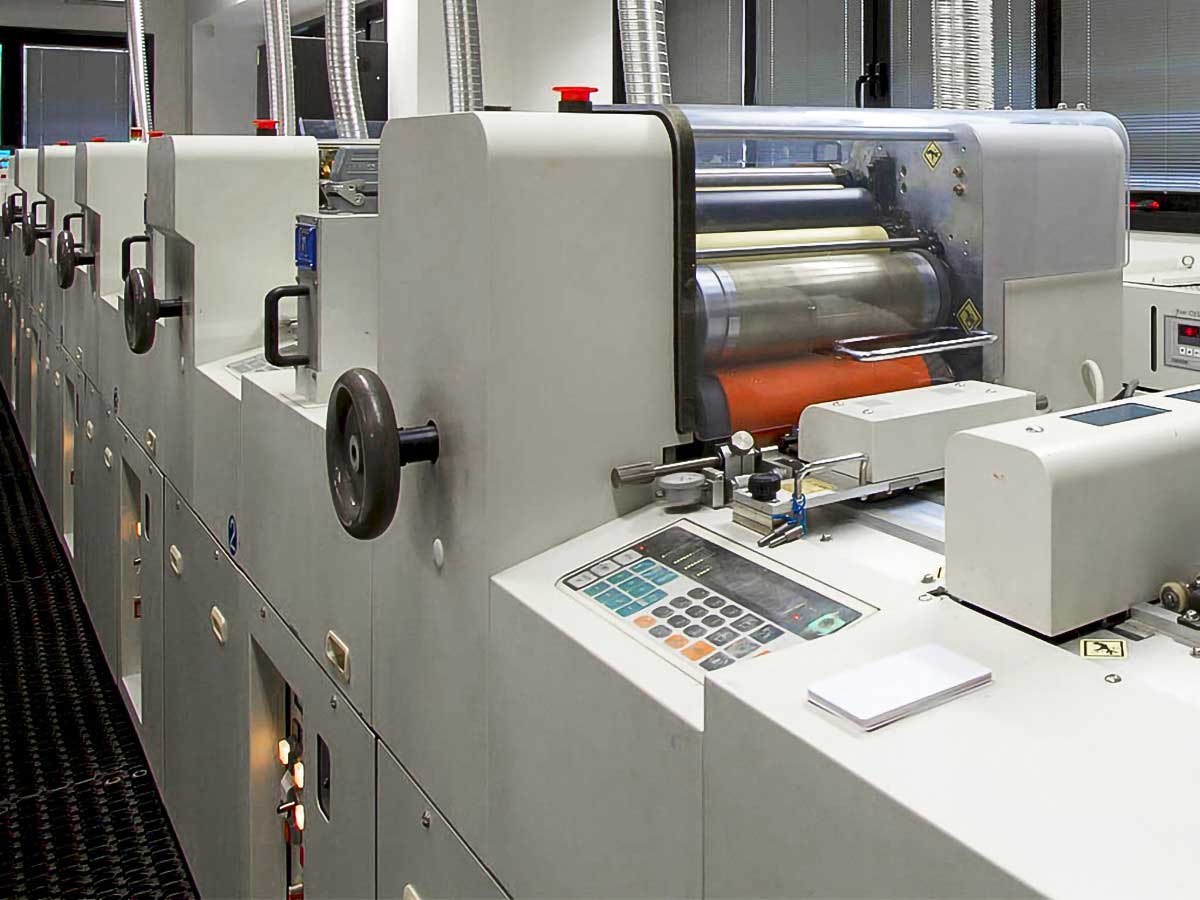
The offset technique ensures precision in detail and professional results, ideal for medium-to-large production runs. Using single-sheet offset printing, we print large quantities of cards with extreme flexibility and significantly reduced production times.

This technology allows for printing up to 8 colours in a single pass, enhancing every card with logos, customised graphics, and colours chosen by the client

We produce cards in four-colour process (Magenta, Cyan, Yellow, Black), with Pantone colours and gloss or matt finishes, guaranteeing high-quality colour rendition and printing uniformity.

The offset technique is suitable for printing cards in PVC, degradable PVC, recycled PVC, PETG, and wood.

DIGITAL PRINTING

Digital card printing encompasses various technologies, offering customised results and high-quality standards.

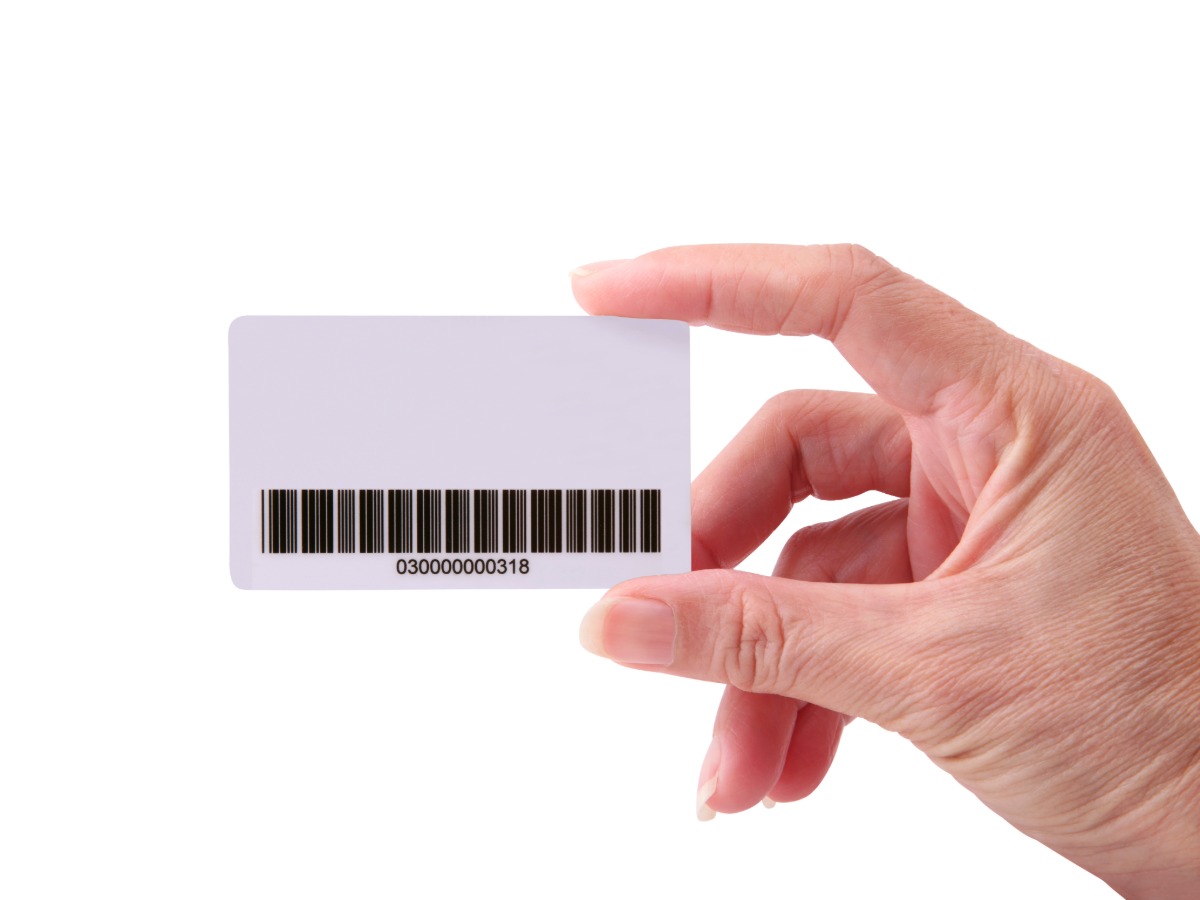
Card stampata con codice a barre

Inkjet printing

Inkjet printing is used to print high-speed barcodes with exceptionally high production quality.

It operates via a technology known as drop-on-demand, using solvent-based ink reservoirs and a system of small tubes that deliver the ink to a printhead. The printhead sprays tiny, controlled, and precise droplets of ink onto the card.

It is ideal for cards customisation – the insertion of variable data such as numbering and barcodes.

Inkjet printing is compatible with standard PVC, recycled and degradable PVC, PETG, and even paperboard cards, ensuring crisp and durable results.

Termography

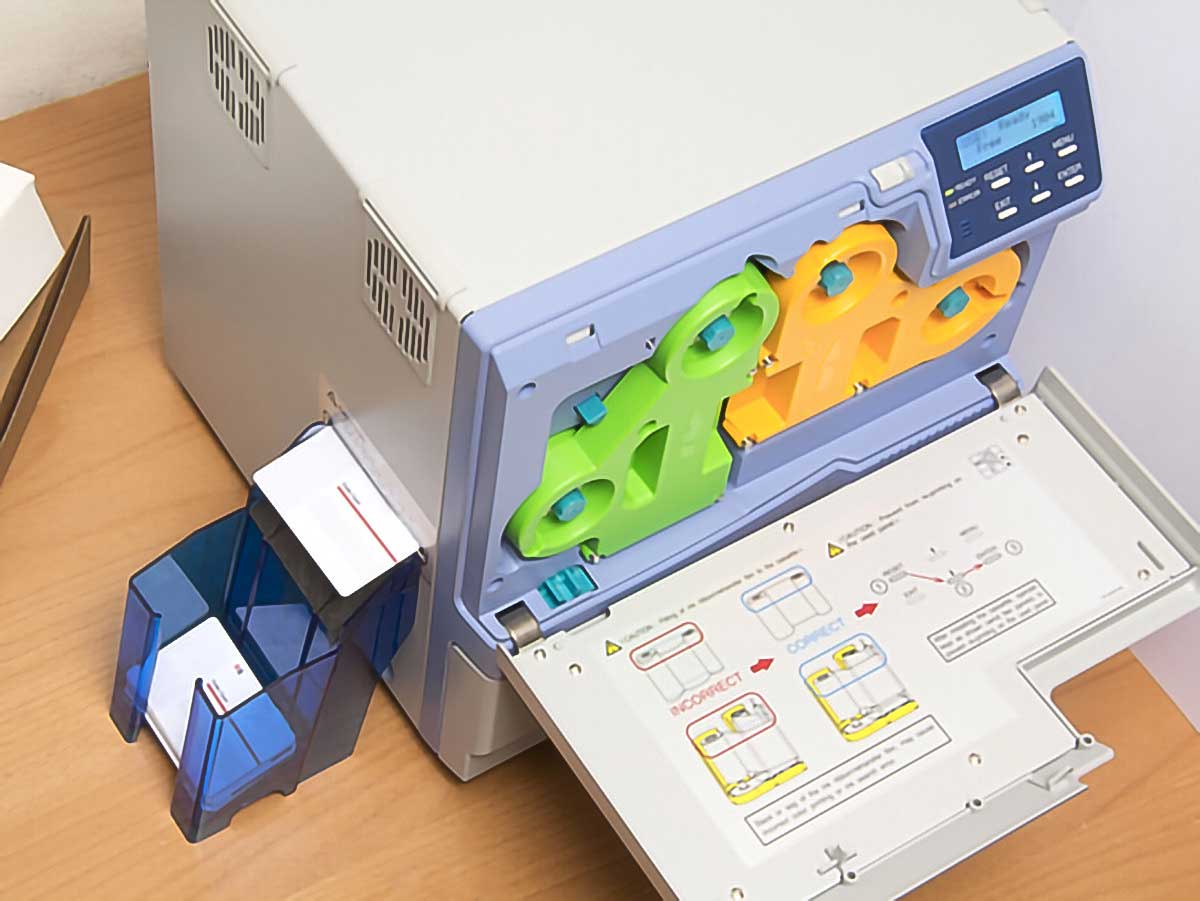
Thermographic printing, or thermal sublimation, operates via a thermally heated printhead.

When the print file is sent to the printer, the printhead thermally ‘draws’ the figure to be represented directly onto the card’s surface.

Thermography is primarily used for the customisation of plastic cards, specifically for the insertion of variable data such as names, barcodes, photos, and numbering.

Indirect digital printing

Indirect digital printing, also called re-transfer, is a sublimation printing technique, like thermography, but it differs because the printing is first done onto a film, which is then laminated onto the card.

This process is capable of ‘covering’ any imperfections or dust present on the card’s surface, resulting in excellent colour rendition

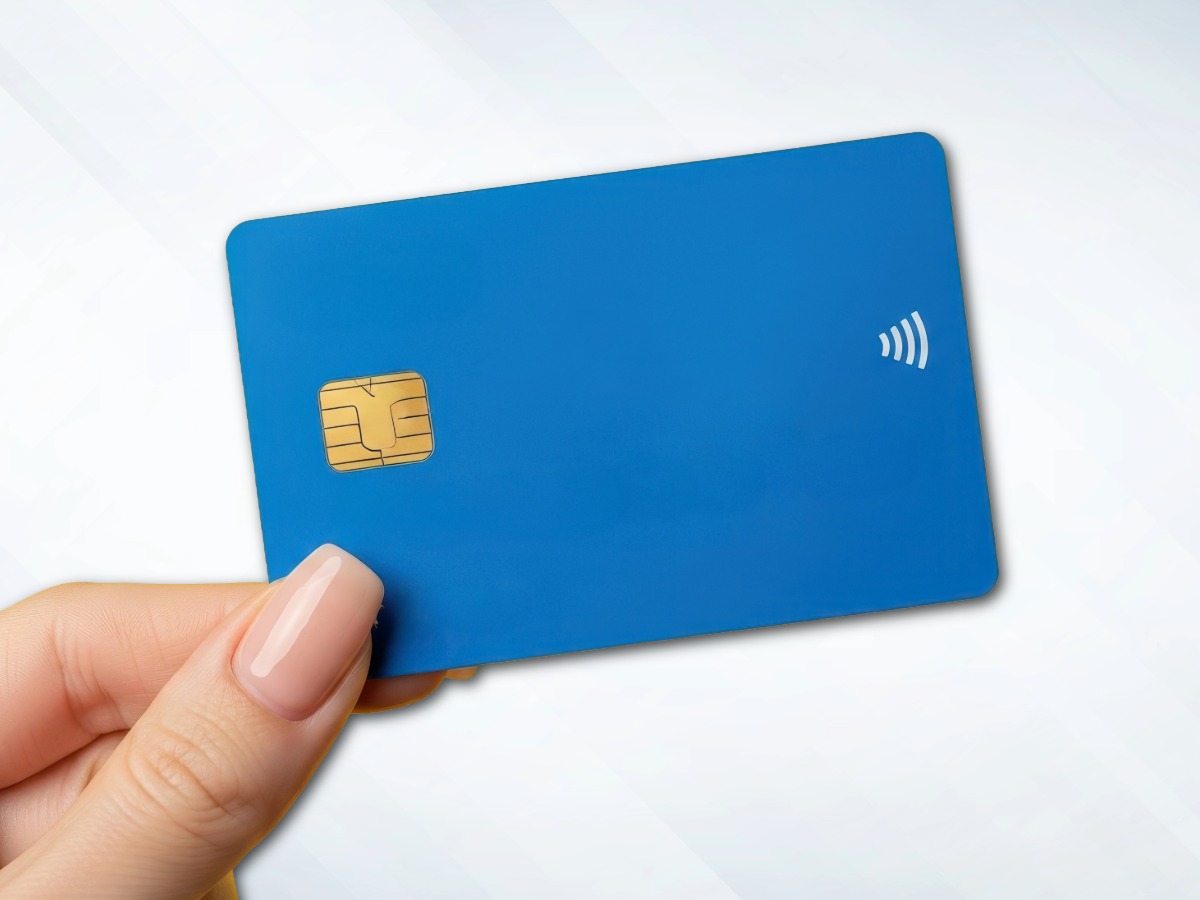
It is primarily recommended for printing RFID and contact chip cards, especially for small print runs.

Card stampate con punzonatura embossing

Embossing

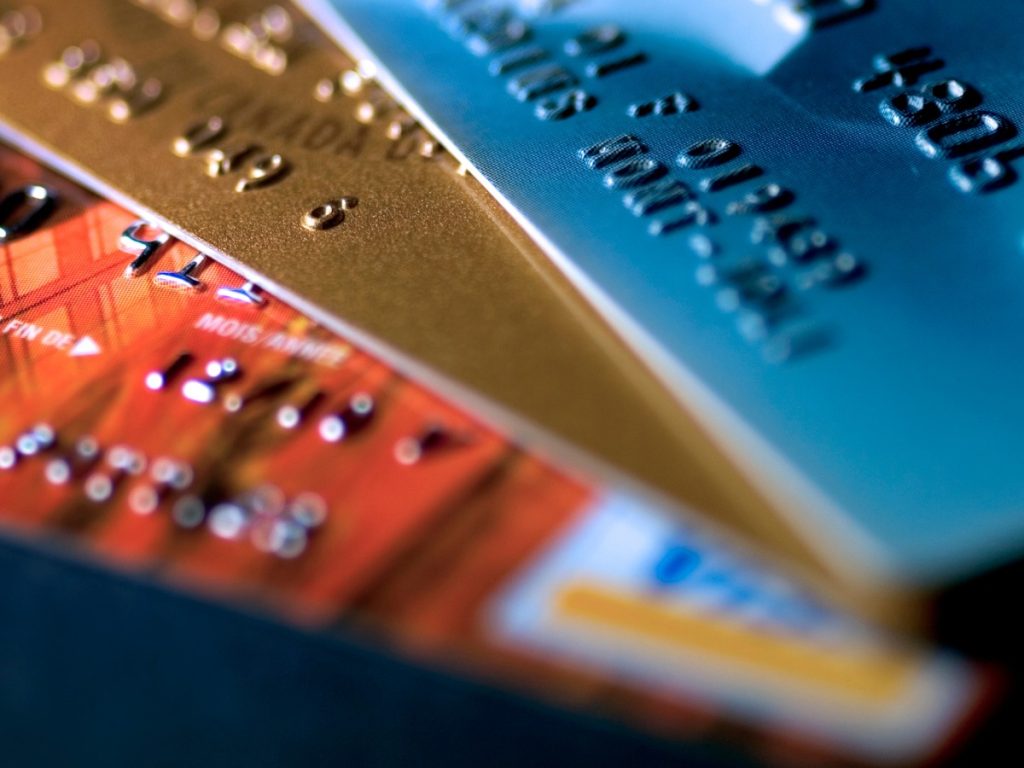
Embossing is a specific technique that allows numbers and letters to be punched in relief on the surface of the card, using dies that indent the characters. 

These characters can then be coloured using a foil in a process known as tipping.

Regarding relief printing, all plastic cards — standard, recycled, and degradable PVC, as well as PETG — can be customised using punching machines, provided they have a minimum thickness of 76/100.

LASER PRINTING

Laser printing, or laser marking, enables the insertion of variable data, such as barcodes and serial numbers, onto the card with extremely durable results.

This is a monochromatic printing technology that guarantees very high resolution. The laser, by etching, allows for engraving all solid materials.

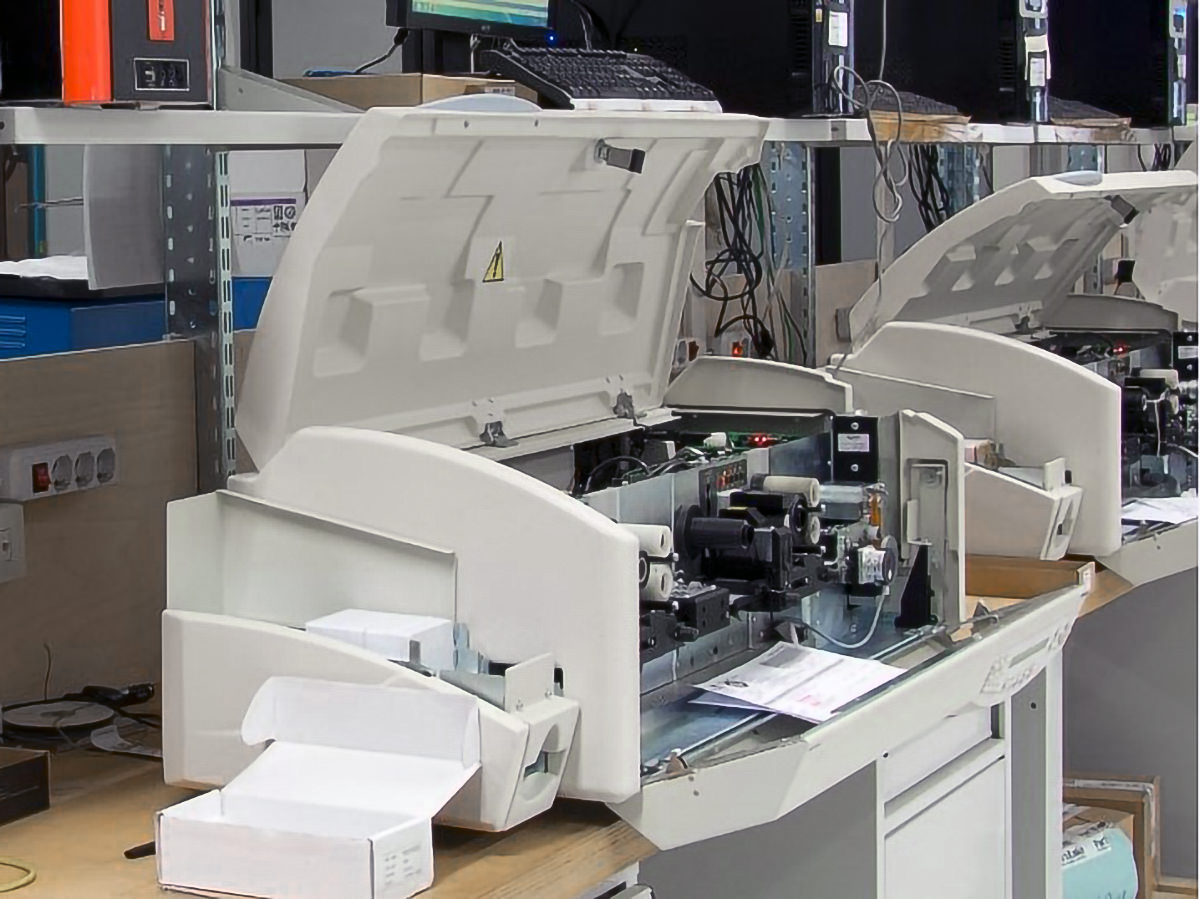
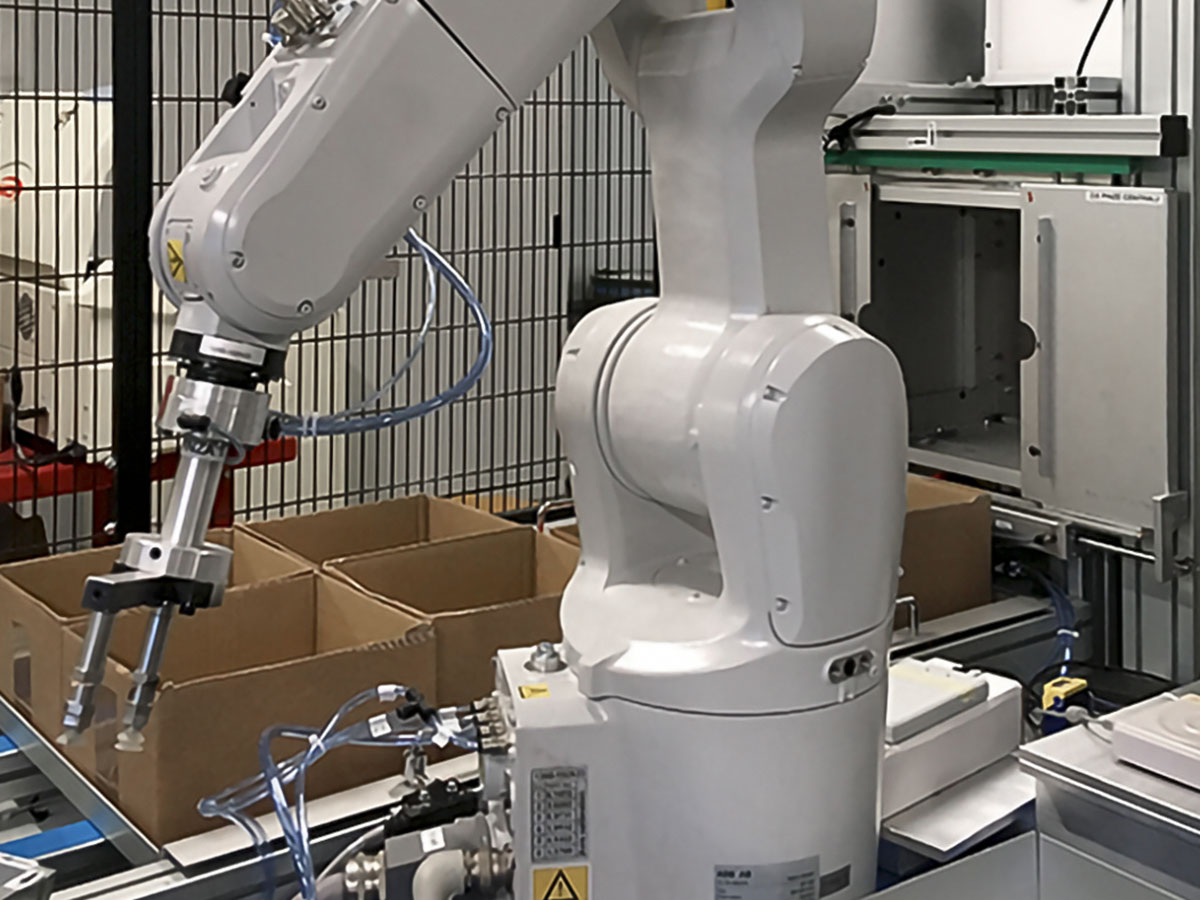
Our robotic customisation line makes rapid and precise laser printing of cards possible.

Laser marking is ideal for customising wooden cards and plastic cards — including standard, recycled, and degradable PVC, as well as PETG — with variable data and graphic elements.

SILKSCREEN PRINTING

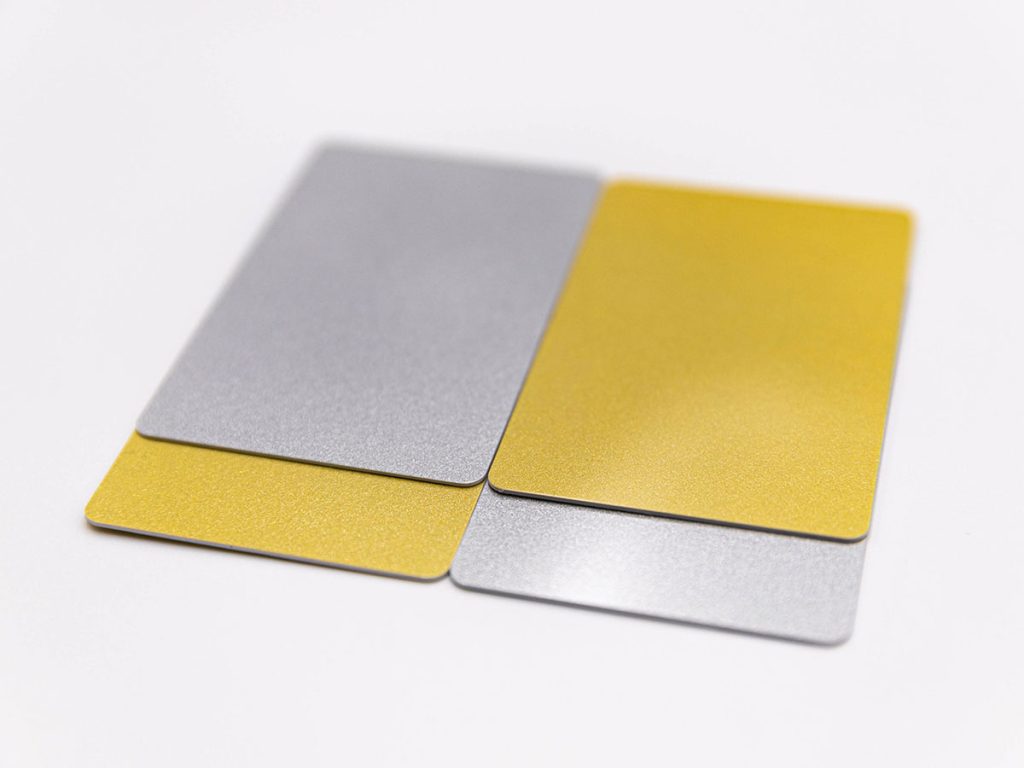
For printing customised cards with bright, solid, metallic, gold, or silver colours, glitter, fluorescent, or phosphorescent effects, silkscreen printing is used.

The reference colour scales for screen printing are the Pantone scale or, in some cases, the RAL scale.

Silkscreen printing is applied by making the colour ‘flow’ through special screens – which were historically made of silk, hence the name ‘silk-screen printing’ – directly onto the printing surface of the customised cards. 

It is recommended for ‘enhancing’ the printing of cards made of PVC, degradable PVC, recycled PVC, PETG, and wood.
UV VARNISH AND HOT STAMPING

Once the cards have been printed, the UV Spot Varnish and Hot Stamping techniques allow the product to be enriched and enhanced, giving the card unique effects.

UV Spot Varnish

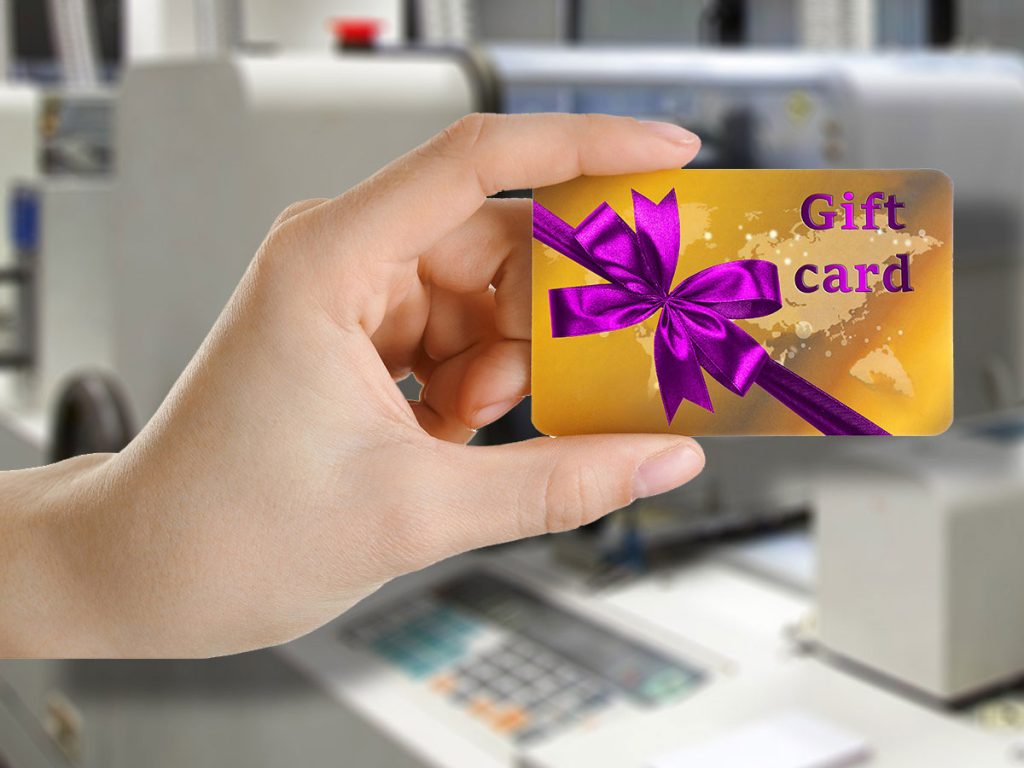
The UV Spot Varnish technique makes it possible to apply a layer of glossy or matt transparent varnish to certain graphic elements previously printed on the card.

The contrast achieved between the glossy and matt areas is very appealing, offering a multi-sensory effect that is visual and pleasant to the touch.

This technique can be used on plastic material cards to highlight the company logo or to accentuate specific graphic elements – such as ribbons and gift packages on gift cards, for example. 

Gift card con effetto UV Varnish

Hot stamping

Hot Stamping consists of transferring a metallic foil using a heated cliché (pad), usually made of brass. 

This technique results in coloured metallic foils with iridescent, holographic, and transparent effects that become iridescent when exposed to light sources.

Hot stamping allows for the personalisation of all types of plastic material cards with texts, logos, or graphic elements. It is also used to impress anti-counterfeiting elements onto the card.

Fidelity card con stampa a caldo

SCRATCH-OFF APPLICATION

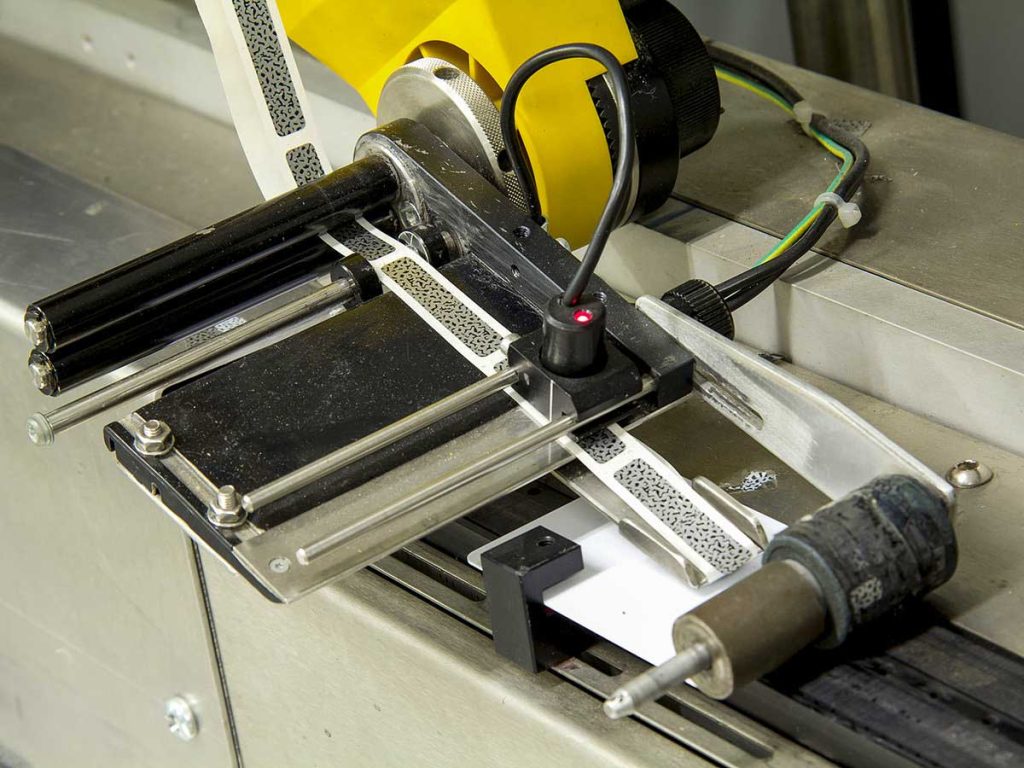
To temporarily conceal numbers or letters on the card, scratch-off can be used. This is a panel that can be ‘scratched off’ and is placed over the characters to prevent them from being read. The size is variable, depending on the surface to be covered.

Applicazione scratch-off sulla card

The scratch-off panel can be applied roll-on (like an adhesive label), printed, or applied hot using a thermographic printer or a dedicated machine

The most commonly used is the roll-on type: once applied, this kind of panel maintains an adhesive film over the number, which protects it during scratching.

In the event of forced removal of the scratch-off labels, they fragment, signalling the attempted tampering.

SIGNATURE PANEL APPLICATION

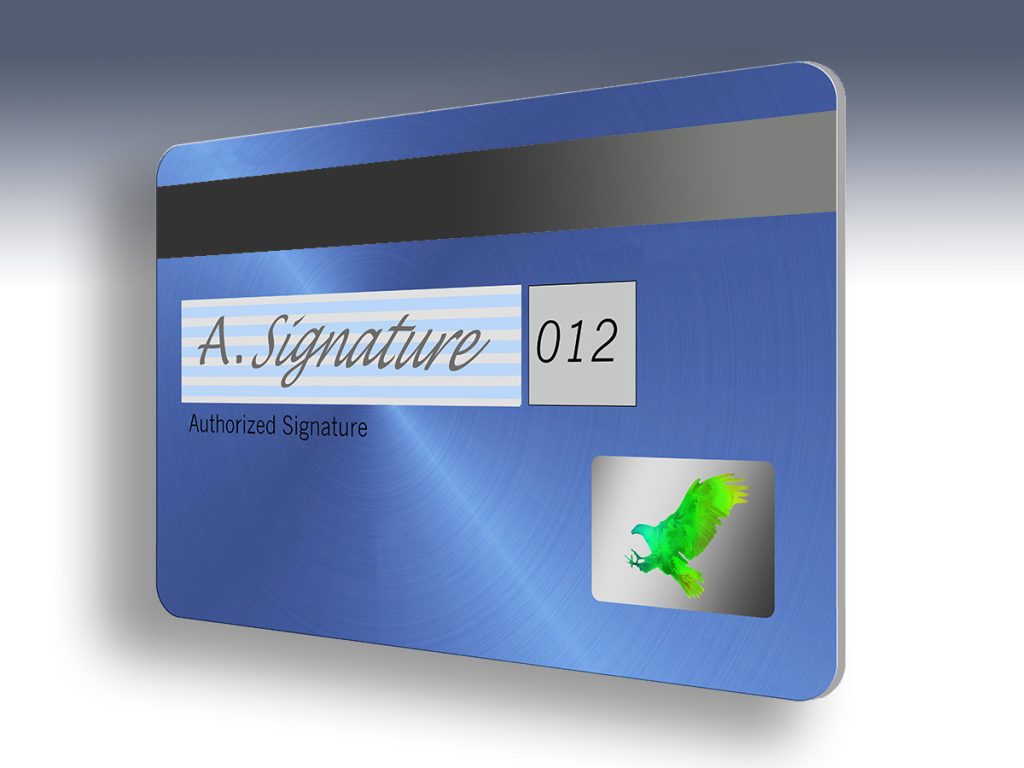
A signature panel can be included on the surface of the cards to allow writing or affixing a signature to the card. According to ISO regulations, there are two types: roll-on and silkscreened.

The roll-on panel has standard dimensions – 10 x 74 mm or 7.5 x 74 mm – and is applied hot after the die-cutting process, on cards with a minimum thickness of 40/100. 

The screen-printed panel is applied to the sheet before cutting. It is identical to the roll-on panel and can be standard or non-standard.

Screen-printed panel, in particular, is custom-made and can even be applied as a ‘full-card’ panel, rendering the entire surface matt and writable.

PRINTING WITH PANTONE COLOURS AND SPECIAL COLOURS

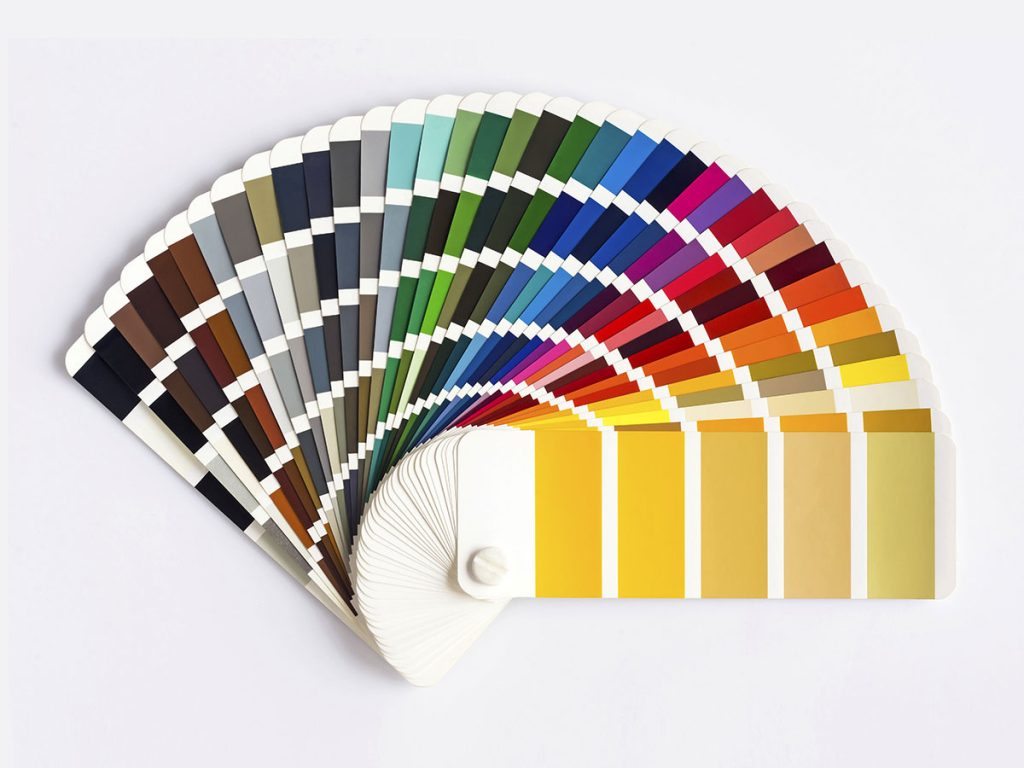
To recreate an exact printing colour without tonal errors, it is possible to request the use of a “Pantone colour”, selecting it from the swatch book.

The Pantone colour is single, unique, and internationally recognised. Each colour is identified by a name and a code.

When printing customised cards, we at Partitalia also resort to using special colours, making every card valuable and unique.

Here are the main examples:

  • Silkscreen-printed colours like gold and silver (of which different shades exist, chosen by referring to the RAL or Pantone scale);


  • Metallic colours, achieved by adding metallic powder;


  • Glitter colours, which are metallic colours containing gold and silver metal particles;


  • Phosphorescent colours, which absorb light particles during the day to release their characteristic luminous effect during the night;


  • Fluorescent colours, which are screen-printed colours (yellow, green, fuchsia, orange, red) enriched with fluorine particles;


  • “Wood lamp” colours, which are transparent and invisible to the naked eye, but which become visible when illuminated by a “Wood’s lamp” – a device that emits ultraviolet (UV) light. These are used to provide originality and guarantee the provenance of a product, or to validate banknotes or identity documents;


  • Infrared masking, used to ‘cover’ barcodes;


  • Thermochromic colours, which become transparent when subjected to the correct temperature.

FAQS PRINTING AND CUSTOMISATION

To help you choose the printing solution best suited to your requirements, we have compiled our clients’ most frequently asked questions. Consult our FAQs.

Do you provide a proof or sample before production?

Yes, we always provide a high-resolution PDF proof for your approval. On request, a physical printed sample can also be produced, subject to prior agreement on production costs with our sales office.

Of course! At Partitalia, we produce customised cards based on the client’s requests: it is possible to print variable data on the card, which includes photos, names, numbering, barcodes, and QR codes.

Our cards are available in a range of finishes: glossy, matt, soft-touch, metallic and with spot UV effects.

Yes, it is possible to add a central or side hole to the card for inserting lanyards and badge clips.

Yes, you can choose to print on one side or both sides of the card. 

Customers who already have their graphics ready are requested to send files in vector format with the following technical specifications: resolution of at least 300 dpi and text converted to paths to avoid compatibility issues or font replacement. We also require a bleed of at least 2 mm on each side of the standard card format, which is 85.60 x 53.98 mm, to avoid unwanted white margins during trimming.

Yes, at Partitalia we provide free professional support during the pre-order phase, accompanying the customer from the definition of their needs to the completion of the project.

Drag & Drop Files, Choose Files to Upload
Nome candidato
Drag & Drop Files, Choose Files to Upload